Weather, Animals, and Natural Places
Review the core weather, animal and natural-place language.
ทบทวนคำพื้นฐานเรื่องอากาศ สัตว์ และสถานที่ธรรมชาติ

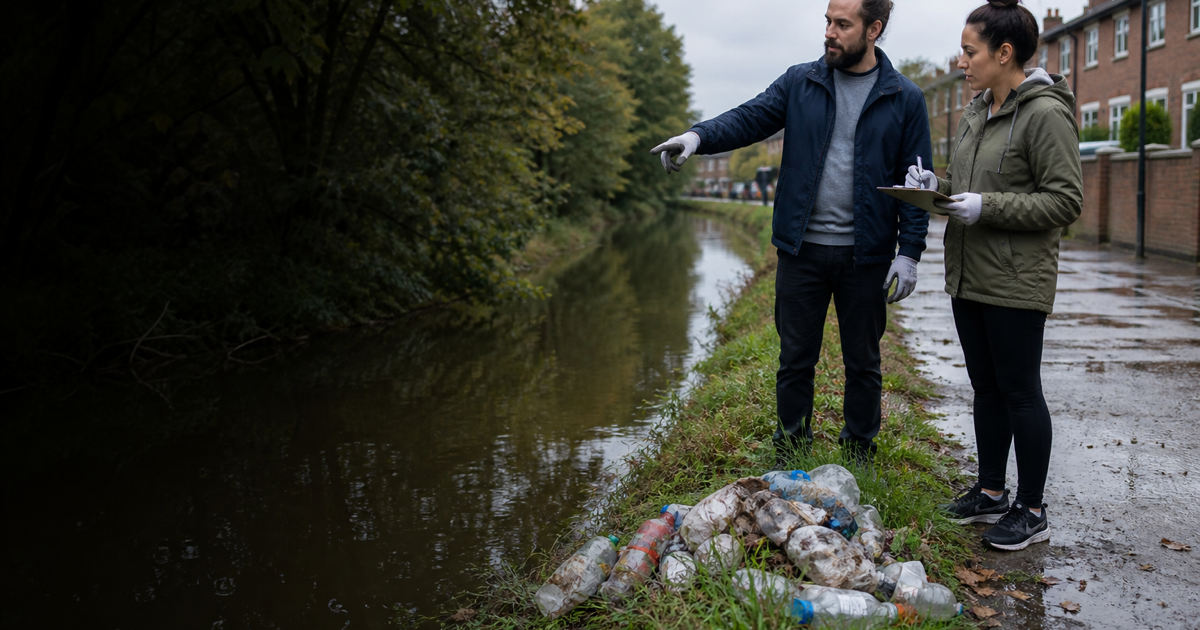
B1 · Explain, respond, adapt, and improve a practical environmental message
For learners: Explain one local environmental problem, connect cause and impact, and propose a realistic action.
For teachers: Learners organise evidence, use cause-and-impact language, respond to a partner and improve one proposal after feedback.
สำหรับผู้เรียน: อธิบายปัญหาสิ่งแวดล้อมในชุมชนหนึ่งเรื่อง เชื่อมสาเหตุกับผลกระทบ และเสนอการลงมือทำที่เป็นจริงได้
สำหรับครู: ผู้เรียนจัดหลักฐาน ใช้ภาษาเชื่อมเหตุและผล ตอบคู่สนทนา และปรับข้อเสนอหนึ่งรอบหลังรับคำแนะนำ
Give a clear two-minute explanation of one local environmental problem, connect evidence, cause and impact, recommend a realistic response, answer one listener question and adapt the message for a second audience.
อธิบายปัญหาสิ่งแวดล้อมใกล้ตัวประมาณสองนาที โดยเชื่อมหลักฐาน สาเหตุ และผลกระทบ เสนอวิธีแก้ที่ทำได้จริง ตอบคำถามผู้ฟัง และปรับข้อความสำหรับผู้ฟังอีกกลุ่มหนึ่ง
For learners: Move beyond saying that a problem is “bad.” Show what can be observed, why it happens, who is affected and what a realistic first response looks like.
For teachers: Keep the learner’s message true and local. The route deliberately moves through useful expressions, meaning contrasts, first construction, exchange, audience adaptation and independent proof.
สำหรับผู้เรียน: บทนี้ช่วยให้พูดเรื่องสิ่งแวดล้อมอย่างมีเหตุผล ไม่กล่าวกว้าง ๆ แต่บอกหลักฐาน สาเหตุ ผลกระทบ และวิธีลงมือทำที่ตรวจสอบผลได้
This is a speaking lesson, not a reading lesson. Keep learner talk time above 70%, limit planning to six keywords and use the model audio only after the learner builds a first version.
| Time | Teacher does | Student does | Required result |
|---|---|---|---|
| 0–3 | Narrows one true or realistic local problem and listener. | Chooses place, visible sign and reason to speak. | One focused message. |
| 3–8 | Guides a short language hunt by communication job. | Selects and personalises one frame for evidence, cause–impact, response and success. | Four useful choices. |
| 8–12 | Contrasts vague, strong, certain and measurable language. | Explains the meaning difference and improves two lines. | Two justified improvements. |
| 12–17 | Removes full models and listens without interruption. | Builds and gives the first complete explanation. | Evidence → cause → impact → response. |
| 17–21 | Asks one genuine feasibility question. | Answers with a new detail and asks one question back. | One complete exchange. |
| 21–27 | Changes the listener and purpose. | Adapts the same facts for a neighbour and a local manager. | Two visibly different versions. |
| 27–30 | Hides support, scores and requests one focused retry. | Performs, responds and improves independently. | COM / VR / FP evidence. |
Teacher standard: Let the complete message finish. Give one communication success and one revision target, then retry only the weakest 30–45 seconds.
Choose something specific enough to observe and realistic enough to act on.
Plastic after rain in one canal · litter beside a market.
Smoke near one school · too little shade on one street.
Water or electricity waste in one building.
Ask “Where exactly?” and “What can we observe?” Do not accept global topics such as “pollution everywhere” as the final focus.
Choose one expression for each communication job. Do not memorise every line.
Describe what can be seen, counted or checked.
Keep cause separate from the result.
Make the response practical and testable.
Limit the toolkit search to two minutes. Ask the learner to personalise four frames, then close the toolkit before speaking.
Strong environmental language separates evidence, explanation, action and certainty.
| Weak or different message | What it communicates | More useful choice |
|---|---|---|
| Pollution is terrible here. | A strong opinion, but no checkable evidence. | The clearest sign is plastic collecting beside the drain after rain. |
| People cause the problem. | Too broad and sounds certain. | This seems to happen because several bins are uncovered. |
| Someone should clean it. | No owner, timing or linked prevention. | The market team could add covered bins and organise a Friday check. |
| The plan will work. | Certainty without a measurable result. | We could measure progress by counting fewer bags of waste after four weeks. |
Ask “Can we see or check that?” and “Does this phrase show fact, explanation or prediction?” Do not reward stronger certainty unless the evidence supports it.
Build first. Use the model only after the learner’s first complete version.
place · visible sign
explanation · affected people or nature
action · owner · time · measure
A canal near my neighbourhood often fills with plastic after heavy rain. The clearest sign is the waste beside the market drain. This seems to happen because several bins are uncovered, which means plastic can enter the water and harm birds and fish. A practical first step would be to add covered bins and ask the market team to check the area every Friday. We could measure progress by counting fewer bags of waste after four weeks.
Listen without interruption. After the first version, use the audio only to notice organisation and useful phrases; then close the transcript before the improved version.
A useful proposal survives a real question and adds relevant detail.
Who will organise it?
Why will this action help?
What if people do not participate?
Answer directly, acknowledge one limitation and ask: “Which action seems most realistic to you?”
Ask one natural challenge only. Require a direct answer before extra explanation and reward a realistic limitation rather than false certainty.
Keep evidence stable while changing detail, request and success information.
Use concrete effects and one easy action people can take this week.
Start: “Have you noticed…?”
Emphasise evidence, responsibility, timing and a measurable result.
Start: “The clearest evidence is…”
Say: “Keep the facts true. Your neighbour needs one clear action. Your manager needs evidence, responsibility, timing and a result.” Run both rounds before feedback.
Hide every model. Use six keywords and respond independently.
No script. You may look only at six keywords.
Evidence, cause, impact, response and success signal form one clear message.
Uses varied, accurate problem, impact and action language that matches the intended certainty.
Completes the full message, question response, audience adaptation and retry independently.
Score the complete unsupported performance, not practice rounds.
Target: 5/6 overall, FP = 2 and no zero after the focused retry.
Hide all models. Give no complete sentence during the performance. Record one success, one language target and whether the focused retry improved.
เริ่มจากสถานที่และหลักฐานที่สังเกตได้ แยกสาเหตุออกจากผลกระทบ ใช้ถ้อยคำที่ไม่มั่นใจเกินหลักฐาน เสนอการกระทำที่มีผู้รับผิดชอบ เวลา และวิธีวัดผล จากนั้นปรับข้อความตามผู้ฟังและลองพูดใหม่เฉพาะส่วนที่ยังไม่ชัด
© 2026 Engduo Thailand. Original lesson design, clean AI-assisted cover and reviewed Engduo audio are for authorised Engduo use.
Review the core weather, animal and natural-place language.
ทบทวนคำพื้นฐานเรื่องอากาศ สัตว์ และสถานที่ธรรมชาติ
Use listening evidence to support a practical choice.
ใช้หลักฐานจากการฟังเพื่อสนับสนุนทางเลือกที่ทำได้จริง
Compare stronger words for weather and natural conditions.
เปรียบเทียบคำที่แม่นยำขึ้นสำหรับอากาศและสภาพธรรมชาติ
Evaluate wider evidence, impact and policy options at B2.
ประเมินหลักฐาน ผลกระทบ และทางเลือกเชิงนโยบายที่กว้างขึ้นในระดับ B2