Medical Innovation: Claim or Evidence?
Read a medical-innovation claim and separate evidence from limitation.
อ่านข้อกล่าวอ้างด้านนวัตกรรมการแพทย์และแยกหลักฐานออกจากข้อจำกัด

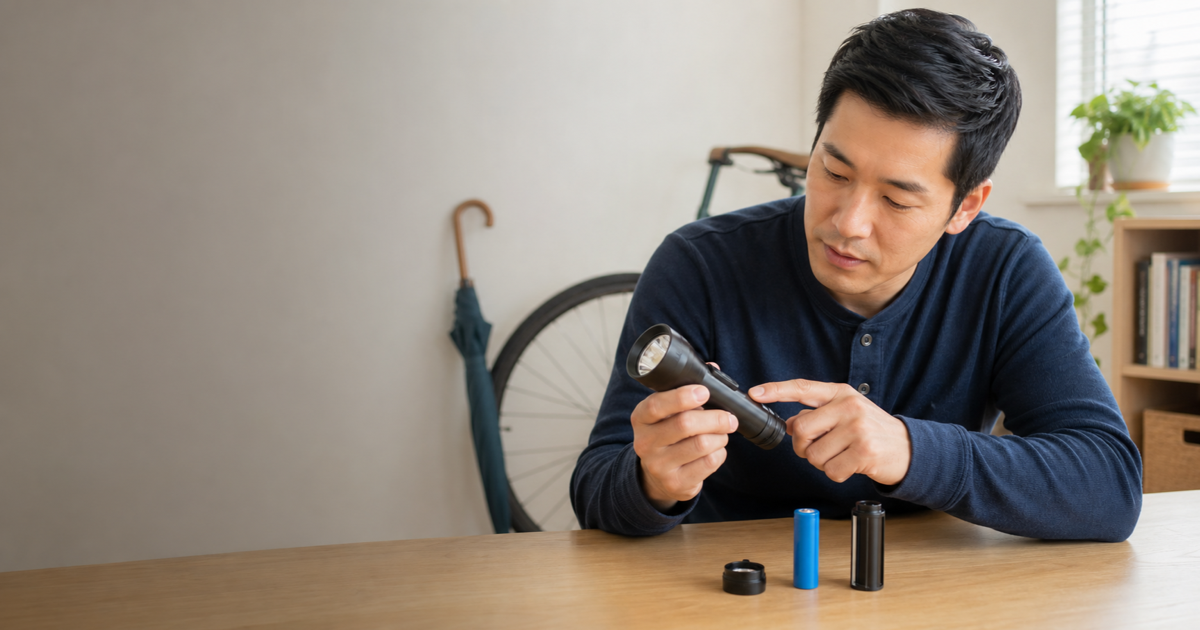
Build simple words and true sentences to name familiar inventions, their parts and what they do.
For learners: Learn clear words for familiar inventions so you can identify parts, materials and simple actions before explaining how something works.
For teachers: Meaning and word type come first, followed by two audio examples, retrieval, original sentences, a mystery-object exchange and an independent adapted explanation.
สำหรับผู้เรียน: เรียนคำศัพท์พื้นฐานเกี่ยวกับสิ่งประดิษฐ์ ชิ้นส่วน วัสดุ และการทำงาน เพื่อเตรียมอธิบายว่าสิ่งของทำงานอย่างไร
สำหรับครู: เริ่มจากความหมายและประเภทคำ ต่อด้วยเสียงตัวอย่าง การดึงคำจากความจำ การแต่งประโยคจริง งานทายสิ่งของ และการอธิบายแบบปรับตามเงื่อนไขใหม่
Name familiar inventions and use simple part, material and action words to explain what one invention is for and how it works in two ordered steps.
เรียกชื่อสิ่งประดิษฐ์คุ้นเคย และใช้คำง่าย ๆ เรื่องชิ้นส่วน วัสดุ และการทำงาน เพื่อบอกว่าใช้ทำอะไรและทำงานอย่างไรเป็นสองขั้นตอนได้
For the learner: These words help you understand, identify and explain useful objects in everyday life.
For the teacher: The lesson separates nouns, verbs and adjectives, then requires original sentences from every group before the final explanation.
เหตุผลภาษาไทย: ผู้เรียนจัดคำศัพท์ตามหน้าที่ของคำ ฝึกใช้แต่ละกลุ่มในประโยค แล้วจึงนำมารวมเป็นคำอธิบายสิ่งประดิษฐ์อย่างง่าย
Teach a small working set by meaning and word function. Require original use from each group before the learner combines the groups in the final description.
| Time | Teacher does | Student does | Evidence |
|---|---|---|---|
| 0–3 | Shows four familiar inventions. | Chooses one useful object and states its purpose. | A clear purpose. |
| 3–8 | Organises vocabulary by job. | Selects and says a working set. | Accurate word groups. |
| 8–12 | Plays both examples once. | Notices parts, materials and actions. | Six heard details. |
| 12–16 | Hides the table and prompts recall. | Retrieves at least eight items. | Independent recall. |
| 16–21 | Models one pattern per group. | Builds six original sentences. | Meaningful use. |
| 21–26 | Runs a mystery-object task. | Describes and identifies one invention. | Connected description. |
| 26–30 | Changes one detail and scores. | Performs and retries without a script. | VR/FP evidence. |
flashlight · bicycle · umbrella · fan · kettle · phone
It gives light. · It helps us travel. · It keeps us dry. · It moves air. · It heats water.
Accept one accurate simple purpose. Do not explain all the vocabulary yet; use this stage to establish meaning and motivation.
| Word group | Target language | Use it in a sentence |
|---|---|---|
| Nouns · inventions | flashlight, bicycle, umbrella, fan, kettle, phone | A flashlight gives light. |
| Nouns · parts | button, battery, wheel, handle, screen, lid | It has a button and a battery. |
| Nouns · materials | metal, plastic, glass, rubber, fabric | The handle is plastic. |
| Verbs · actions | press, turn, open, close, push, pull, heat, move | First, press the button. |
| Adjectives · descriptions | light, heavy, strong, useful, simple | It is light and useful. |
Make the word job visible: nouns name things, verbs show actions and adjectives describe. Correct only the selected working set, then ask for immediate reuse.
A flashlight has a plastic case, a glass lens and a button. First, press the button. Then the battery powers the light.
A bicycle has a metal frame, rubber tyres, pedals and a chain. First, push the pedals. Then the chain moves the back wheel.
Play each track once for meaning and once for checking. Keep the transcript closed until the learner has attempted the object, purpose and details.
Give the word group, an object gesture or a first letter before giving the answer. Hide the support again after recall.
This is a ___.
It is made of ___.
It has a ___ and a ___.
It helps us ___.
First, ___.
Then, ___.
Require original content. Give one word-choice correction and one sentence-pattern correction at most, then ask for the corrected sentence again.
umbrella · fan · kettle · phone
Allow keywords during planning but no full script. Ask for one extra clue only when the object cannot be identified.
A visitor has never used one of these objects: a rechargeable flashlight, a folding umbrella or an electric fan. Choose one and explain it.
Score the first unsupported performance, then score the focused retry separately.
Target: 3/4 overall with FP = 2 and no zero.
Score the unsupported explanation before feedback. Give one vocabulary and one sentence correction at most, then rerun only the weak section.
เริ่มจากเลือกคำที่จำเป็นเพียงชุดเล็ก แยกคำเรียกสิ่งของและชิ้นส่วน คำกริยาการทำงาน และคำบรรยาย จากนั้นให้ผู้เรียนแต่งประโยคจริงจากแต่ละกลุ่มก่อนรวมเป็นคำอธิบายสองขั้น ไม่ต้องจำคำทั้งหมดในครั้งเดียว
Read a medical-innovation claim and separate evidence from limitation.
อ่านข้อกล่าวอ้างด้านนวัตกรรมการแพทย์และแยกหลักฐานออกจากข้อจำกัด
Build stronger vocabulary for innovation, evidence and impact.
ต่อยอดคำศัพท์เรื่องนวัตกรรม หลักฐาน และผลกระทบ
Compare community innovations and negotiate one recommendation.
เปรียบเทียบนวัตกรรมสำหรับชุมชนและเจรจาข้อเสนอหนึ่งทางเลือก
Discuss an everyday idea, one benefit and one trade-off.
อภิปรายแนวคิดในชีวิตประจำวัน พร้อมประโยชน์และข้อแลกเปลี่ยน