Listening: Check the Item, Price, and Purchase Details
Listen for item, price and purchase details
ฟังหาสินค้า ราคา และรายละเอียดการซื้อ

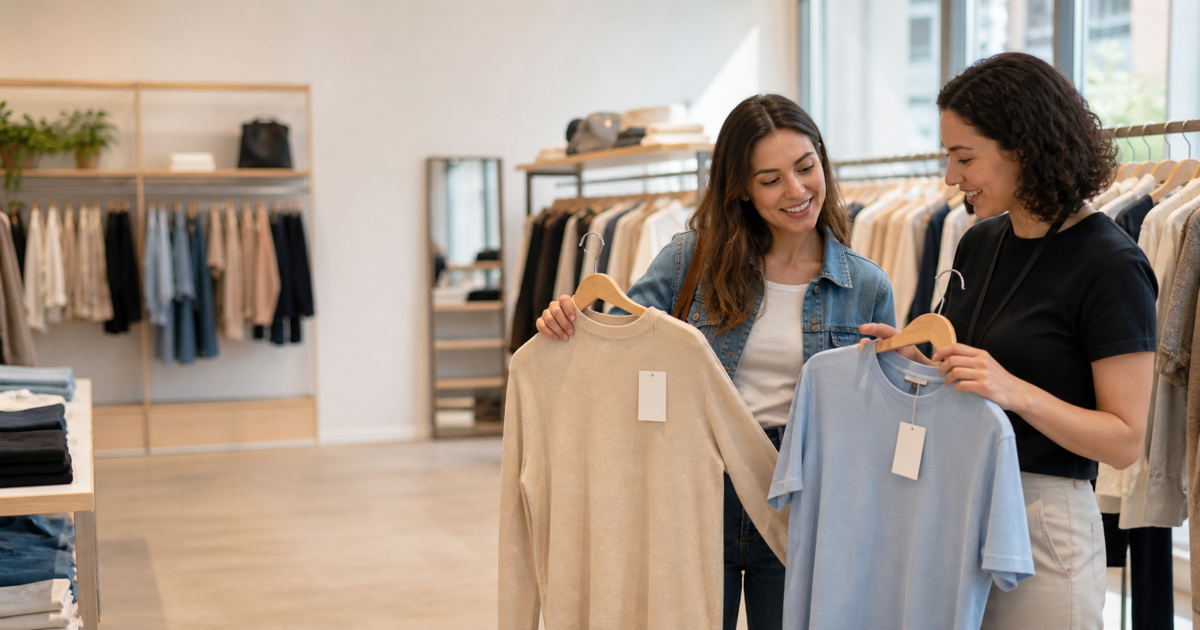
Build the words and sentences you need to choose a familiar item in a shop.
For learners: Build essential item, colour, size and price language before listening and roleplay.
For teachers: Meaning and word categories come first, followed by retrieval, true sentences and one independent shop exchange.
สำหรับผู้เรียน: สร้างคำศัพท์สินค้า สี ขนาด และราคาที่จำเป็นก่อนฝึกฟังและบทบาทสมมติ
สำหรับครู: เริ่มจากความหมายและหมวดคำ แล้วดึงคำ สร้างประโยคจริง และจบด้วยบทสนทนาซื้อของอิสระ
Name a familiar item, describe its colour and size, ask or state the price, and use the target vocabulary in a short independent shop exchange.
เรียกชื่อสินค้าที่คุ้นเคย บอกสีและขนาด ถามหรือบอกราคา และใช้คำศัพท์เป้าหมายในบทสนทนาซื้อของสั้น ๆ ได้ด้วยตนเอง
Keep the words organised by use. Do not ask the learner to memorise every item. Require each new word to appear in a meaningful sentence before the final exchange.
| Time | Teacher does | Student does | Evidence |
|---|---|---|---|
| 0–3 | Frames one real shopping need. | Names the item and needed information. | A clear purpose. |
| 3–8 | Sorts language into three categories. | Classifies and says target words. | Accurate category use. |
| 8–12 | Plays both example tracks. | Notices item, feature and price words. | Four heard examples. |
| 12–16 | Hides the word bank. | Retrieves words from prompts. | At least six words. |
| 16–20 | Models one pattern only. | Builds four true sentences. | Meaningful sentences. |
| 20–25 | Acts as shop assistant. | Asks, answers and chooses. | One complete exchange. |
| 25–30 | Runs a fresh item card and scores. | Performs independently and retries. | VR/FP evidence. |
Choose one familiar situation: buy a shirt, trousers, shoes or a backpack.
Accept a real need or a fictional one. Use a picture or gesture only if the item noun is unknown. Do not teach the whole word bank yet.
| Category | Target language | How to use it |
|---|---|---|
| Product nouns | shirt, trousers, shoes, jacket, backpack, receipt | Name the item: “This jacket…” / “These shoes…” |
| Feature adjectives | small, medium, large, light, strong, cheap, expensive | Describe or compare one feature. |
| Colour and material | black, blue, green, grey, cotton, leather | Add useful detail after the item. |
| Shopping verbs/chunks | cost, fit, try on, look for, pay, keep the receipt | State the action or ask for help. |
Contrast singular this with plural these through the learner’s chosen items. Correct category meaning before pronunciation detail.
This is a light blue shirt. It costs eight hundred and fifty baht. I need a medium size. These black trousers are more expensive, but the material feels stronger.
I am looking for a small backpack. This green one is light and has two pockets. It costs one thousand two hundred baht. The grey one is larger, but it is outside my budget.
Play each track no more than twice before opening its transcript. Ask for meaning first, then one clear repetition.
Give the category, not the answer. For example: ‘You need a feature adjective.’ Record the two weakest words for the retry.
This jacket is light and blue.
I need these shoes in a larger size.
How much does this backpack cost?
Require a new target word in every sentence. If a sentence is false for the learner, change the item or feature instead of practising an empty pattern.
You need a light backpack for class. Your budget is 1,300 baht. Ask about colour, size or capacity and price, then choose or refuse one item.
Answer only the learner’s questions. Do not supply full sentences. After the exchange, correct one high-value vocabulary choice.
Close the models. Use a new item: shoes, trousers or a jacket.
Score the first unsupported performance, then score the focused retry separately.
Target: 3/4 overall with FP = 2 and no zero.
Score the unsupported attempt. Name one successful word choice and one next target, then run a short focused retry.
Listen for item, price and purchase details
ฟังหาสินค้า ราคา และรายละเอียดการซื้อ
Use the language to return the wrong item
ใช้ภาษาเพื่อคืนสินค้าที่ได้รับผิด
Compare products and recommend the best fit
เปรียบเทียบและแนะนำสินค้าที่เหมาะที่สุด
Complete the shopping mastery challenge
ทำภารกิจสรุปความชำนาญเรื่องการซื้อของ